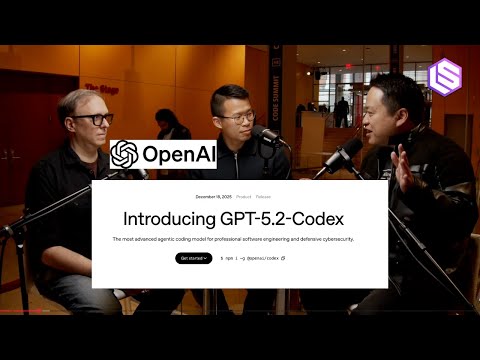
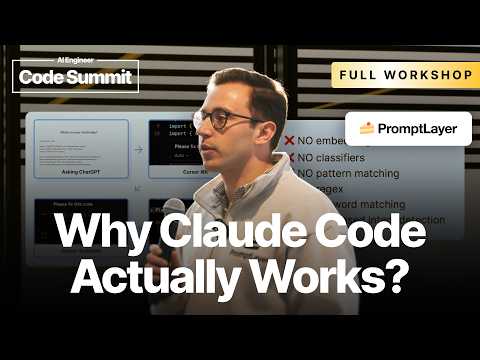
The Macro Shift: Agentic Abstraction. We are moving from Model-as-a-Service to Agent-as-a-Service where the harness is as important as the weights.
The Tactical Edge: Standardize your CLI. Use tools like ripgrep (RG) that models already have "habits" for to see immediate performance gains.
The Bottom Line: The next 12 months will see the end of manual integration engineering as agents become capable of navigating UIs and legacy terminals autonomously.
The commoditization of syntax means architectural judgment is the only remaining moat. As the cost of code hits zero the value of intent skyrockets.
Replace your manual refactoring workflows with a burn and rebuild strategy. Use agents to generate entirely new modules instead of patching old ones.
Seniority is no longer a shield against obsolescence. You must spend the next six months building your agentic intuition or risk being replaced by a PhD student with a prompt.
The Macro Evolution: Standardized communication layers are replacing custom API integrations. This commoditizes the connector market and moves value to the models that best utilize these tools.
The Tactical Edge: Standardize your internal data tools using MCP servers today. This ensures your company is ready for autonomous agents that can discover and use your resources without manual API integration.
The Bottom Line: The agentic stack is consolidating around MCP. Interoperability is no longer a feature; it is the foundation for the next decade of AI utility.
The Macro Shift: From Model-Centric to Eval-Centric. The value is moving from the LLM itself to the proprietary evaluation loops that keep the LLM on the rails.
The Tactical Edge: Export production traces and build a "Golden Set" of 50 hard examples. Use these to run A/B tests on every prompt change before hitting production.
The Bottom Line: Reliability is the product. If you cannot measure how your agent fails, you haven't built a product; you've built a demo.
The transition from chatbots with tools to agents that build tools marks the end of the manual integration era.
Stop building custom model scaffolding and start building on top of opinionated agent layers like the Codex SDK.
In 12 months, the distinction between a coding agent and a general computer user will vanish as the terminal becomes the primary interface for all digital labor.
The Capability-Utility Gap is widening. We see a divergence where models get smarter but the friction of human-AI collaboration keeps productivity flat.
Deploy AI for mid-level engineers or low-context tasks. Avoid forcing AI workflows on your top seniors working in complex legacy systems.
The next year will focus on reliability over raw intelligence. The winners will have models that require the least amount of human babysitting.
Escape Velocity Reached: Like the early internet and Bitcoin, BitTensor has survived its infancy. Its ecosystem of 128+ subnets has created a network-effect moat that makes it incredibly difficult to disrupt.
The "Front Door" Is the Next Billion-Dollar Opportunity: The most significant hurdle for BitTensor is its developer-focused user experience. The companies that successfully build simple, consumer-friendly interfaces on top of the subnets will unlock immense value.
Powerful Tokenomics Signal a Supply Shock: TAO's upcoming halving, combined with its built-in utility and high staking rate, is creating a classic supply squeeze. With demand structurally increasing as the network grows, the economics point toward a significant price appreciation for the root token.
The Game Is Rigged, Play Accordingly. Traditional analysis is failing. The winning strategy is "grift arbitrage"—investing in assets that benefit from government spending and political connections.
Bonds are Dead, Long Live Yield. With governments committed to fiscal dominance, bonds offer negative real returns. The hunt for yield is driving capital from fiat junk bonds into Bitcoin and Ethereum.
Hedge for the Inevitable Shakeup. The system is fragile. Key risks like aggressive tariffs or a hawkish Bank of Japan could trigger a sharp sell-off. With volatility low, now is the time to buy cheap protection.
Treasury Vehicles are a Trap. They're the new high-risk, high-reward play, but the danger isn't debt—it's massive shareholder dilution and a rapid, reflexive unwind that will be far quicker and more brutal than Grayscale's.
The Cycle Isn't Dead, It's Rhyming. The market is replaying the classic playbook: BTC runs, ETH surges, and capital spills into retail-favorite alts. Calling a top is a fool's errand, but the exuberance is palpable.
Regulation is a Double-Edged Sword. New laws provide a path for tokens to become commodities but may incentivize projects to launch chains purely for regulatory arbitrage, adding another layer of complexity to the market.
**Ethereum's revival is structural, not speculative.** Unprecedented ETF and corporate treasury inflows are creating sustained buying pressure that could push ETH to $10K and beyond, rendering past cynicism obsolete.
**Regulation is the unlock for institutional crypto.** The Clarity and Genius Acts are not just rules; they are the green light for institutional capital that has been waiting on the sidelines for legal certainty.
**The future of consumer crypto is weird and profitable.** Platforms like Pump.fun prove that the most powerful business models may not fit traditional molds but will win by tapping into raw, unfiltered user demand.
The ETH Treasury Is The New Institutional Bid. The narrative that powered Bitcoin's run is now being replicated for ETH, but with a twist: former Bitcoin miners are leading the charge, creating a powerful, reflexive buy-cycle.
ETH's Supply Squeeze Is Real. The combination of record ETF demand, minimal proof-of-stake issuance, and a re-staking culture means the buy pressure is overwhelming the available sell-side liquidity.
Regulation Is Becoming A Tailwind. The expected passage of the stablecoin bill provides a legitimate foundation for institutional adoption, turning a long-time headwind into a powerful catalyst for growth.
Solana’s Watershed Moment: The smooth on-chain execution for a high-demand event proved that decentralized infrastructure is not just viable but, in this case, superior to its centralized counterparts.
Value Accrual is Non-Negotiable: The era of valueless governance tokens is over. Protocols must now provide clear, tangible mechanisms like revenue sharing or buybacks to build trust and justify their valuation.
The Real Game is the Front-End: While back-end infrastructure plays are viable, the ultimate prize is owning the user relationship. PUMP’s battle with Axiom for the title of the premier consumer-facing crypto app is the key narrative to watch.