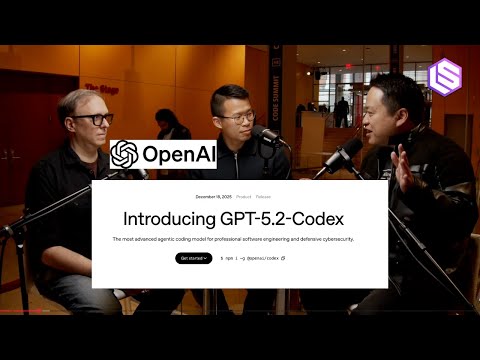
The Macro Shift: Agentic Abstraction. We are moving from Model-as-a-Service to Agent-as-a-Service where the harness is as important as the weights.
The Tactical Edge: Standardize your CLI. Use tools like ripgrep (RG) that models already have "habits" for to see immediate performance gains.
The Bottom Line: The next 12 months will see the end of manual integration engineering as agents become capable of navigating UIs and legacy terminals autonomously.
The commoditization of syntax means architectural judgment is the only remaining moat. As the cost of code hits zero the value of intent skyrockets.
Replace your manual refactoring workflows with a burn and rebuild strategy. Use agents to generate entirely new modules instead of patching old ones.
Seniority is no longer a shield against obsolescence. You must spend the next six months building your agentic intuition or risk being replaced by a PhD student with a prompt.
The Macro Evolution: Standardized communication layers are replacing custom API integrations. This commoditizes the connector market and moves value to the models that best utilize these tools.
The Tactical Edge: Standardize your internal data tools using MCP servers today. This ensures your company is ready for autonomous agents that can discover and use your resources without manual API integration.
The Bottom Line: The agentic stack is consolidating around MCP. Interoperability is no longer a feature; it is the foundation for the next decade of AI utility.
The Macro Shift: From Model-Centric to Eval-Centric. The value is moving from the LLM itself to the proprietary evaluation loops that keep the LLM on the rails.
The Tactical Edge: Export production traces and build a "Golden Set" of 50 hard examples. Use these to run A/B tests on every prompt change before hitting production.
The Bottom Line: Reliability is the product. If you cannot measure how your agent fails, you haven't built a product; you've built a demo.
The transition from chatbots with tools to agents that build tools marks the end of the manual integration era.
Stop building custom model scaffolding and start building on top of opinionated agent layers like the Codex SDK.
In 12 months, the distinction between a coding agent and a general computer user will vanish as the terminal becomes the primary interface for all digital labor.
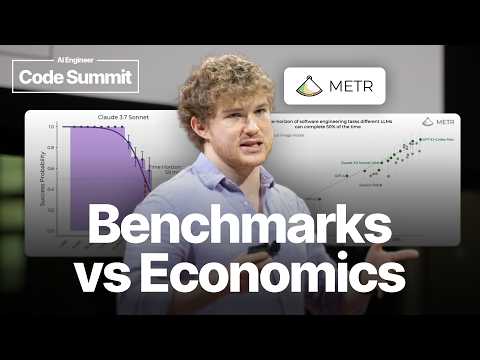
The Capability-Utility Gap is widening. We see a divergence where models get smarter but the friction of human-AI collaboration keeps productivity flat.
Deploy AI for mid-level engineers or low-context tasks. Avoid forcing AI workflows on your top seniors working in complex legacy systems.
The next year will focus on reliability over raw intelligence. The winners will have models that require the least amount of human babysitting.
Narrative is King: The market is consolidating around two core narratives: Bitcoin as a store of value and Ethereum as a productive, tokenization platform. Ethereum's yield gives it a clear valuation edge for institutional capital.
Politics is the New Catalyst: Crypto is no longer just a tech story; it’s a political one. Trump's 401k executive order represents a landmark shift, potentially unlocking trillions in retirement funds and mainstreaming digital assets.
DeFi's Second Act is Here: The next wave of growth will be driven by institutional-grade DeFi. Yield-bearing assets are bridging TradFi capital on-chain, and digital asset treasuries are becoming the "osmosis" cells for this massive capital transfer.
**Play Offense or Get Diluted.** The dollar is devaluing faster than official numbers suggest. Sitting in cash or even diversified index funds may not be enough to preserve wealth. An offensive strategy, focused on assets like Bitcoin that can outpace this devaluation, is essential.
**This Isn't 2021.** Don’t mistake short-term liquidity pumps for a sustained bull market. The market structure favors quick rotations and profit-taking, not long-term holds on unproven altcoins.
**Attention is the New Scarcity.** The memecoin and launchpad meta is saturated. Most projects are ephemeral, designed for a quick flip. Long-term value will likely come from projects that can solve the attention decay problem or create sustainable revenue models.
Hardware is the Trojan Horse: The Seeker phone isn't the endgame; it's the proof-of-concept. The real vision is TPIN, a network that allows any hardware manufacturer to integrate Solana's secure, crypto-native mobile stack.
A Breakout App is Non-Negotiable: The platform's success depends on developers building a "viral" app that is only possible in this open, crypto-friendly environment. Watch for "Seeker Season" and hackathon results as key indicators of traction.
The SKR Token is Pure Utility: SKR is designed to be the economic glue for the TPIN ecosystem. For investors, its value is tied not to a speculative cash grab but to the growth and security of a new, decentralized mobile platform.
Guilty by Definition. The verdict was a product of a legal trap; the judge’s instructions forced the jury to view Roman as a money transmitter, a premise that directly contradicts FinCEN's own guidance and is the central issue for appeal.
A Threat to All of DeFi. The DOJ’s legal theory is boundless. It weaponizes a low "knowledge" standard that could hold any developer liable for the actions of their users, putting the entire non-custodial ecosystem at risk.
Three Paths to Victory. The crypto industry has three shots on goal to fix this: Roman’s direct appeal, a preemptive legal challenge in a separate case, and passing the Blockchain Regulatory Certainty Act (BRCA) to create hardcoded legal protections for developers.
Accountability Unlocks Adoption: The biggest barrier isn't tech, but inertia. Until executives are held accountable for incinerating billions in mispriced IPOs, the broken system will persist. The path to onchain IPOs is paved by firing the people who get it wrong in TradFi.
Onchain Auctions Are IPO 2.0: Blockchains replace the "guy with a spreadsheet" with transparent, permissionless auctions. This ensures fair price discovery and prevents the insider discounts that lock out the public.
The First Domino Starts a Cascade: Regulatory winds are shifting (e.g., the SEC's "Project Crypto"). The moment one major company successfully IPOs onchain, the perceived career risk will flip, opening the floodgates for others to follow.
ETH Treasuries are Infrastructure, Not ETFs: These companies are active players, using staking yield, MNAV premiums, and balance sheet velocity to accumulate ETH. Bitmine’s goal to own 5% of all ETH positions it as a key, US-compliant entity for Wall Street’s on-chain future.
This is ETH's "2017 Bitcoin Moment": Wall Street is beginning to recognize Ethereum as the settlement layer for tokenization and AI. This institutional awakening creates the potential for a massive step-function price increase as capital flows in.
The Upside Case for ETH > Bitcoin: Tom Lee argues Ethereum has a greater asymmetric upside, with a potential 100x return and a "significant probability" of flipping Bitcoin in network value. The investment thesis is based on this expansive vision, not myopic spreadsheet models.