Autonomous AI agents are shifting software from static apps to dynamic, self-adapting systems. This will redefine the app landscape, as personal agents absorb functions previously requiring dedicated software, forcing companies to become API-first.
Cultivate "agent empathy" by learning to communicate effectively with AI models, understanding their context, and guiding them through complex tasks. This skill is paramount for builders leveraging AI for rapid development.
Agentic AI is a new operating paradigm reshaping how we interact with technology and what it means to "build." Investors should seek projects prioritizing open-source, community-driven development and agent-native design.
The Macro Shift: AI agents are transforming software from discrete applications into an interconnected, conversational operating layer, shifting the value from app-specific functionality to intelligent orchestration and personalized user experience.
The Tactical Edge: Experiment with agentic engineering by treating AI models as collaborative, context-aware engineers; focus on clear, concise prompts and iterative feedback loops to guide their development process.
The Bottom Line: The future belongs to builders who understand how to design for and collaborate with AI agents, as they will unlock unprecedented efficiency and create new categories of personalized, proactive digital experiences, making traditional apps a relic of the past.
Autonomous AI agents with system-level access are reshaping the digital economy, shifting value from discrete applications to integrated, personalized AI assistants. This transition will consolidate functionality and demand an "API-first" approach.
Invest in infrastructure and tooling for seamless agent-to-agent and agent-to-API communication, or build agent-native services offering superior, context-aware automation. Cultivate "agent empathy" and focus on high-level design.
The next 6-12 months will see accelerated adoption of personal AI agents, forcing companies to re-evaluate product strategies and security postures. Those embracing agentic paradigms will capture market share, while others risk being left behind.
Agentic AI is fundamentally altering the software development paradigm, moving from human-centric coding to human-guided, autonomous creation. This will redefine job roles and the value of traditional programming skills.
Invest in understanding agent interaction patterns and security best practices now. Prioritize building agent-friendly APIs or CLI tools, as this will be the new interface for digital services.
The rise of personal AI agents is not just a tech upgrade; it is a societal re-architecture. Over the next 6-12 months, expect rapid shifts in app usage, developer workflows, and the emergence of new security challenges and solutions.
Agentic AI is moving us from an app-centric digital world to an agent-orchestrated one, where personal AI agents perform tasks more efficiently and personally, forcing companies to become agent-facing APIs or face obsolescence.
Cultivate "agent empathy" and master prompt engineering. The future of building isn't just about writing code; it's about understanding how agents "think," guiding them effectively, and designing systems that are agent-navigable.
The next 6-12 months will see rapid acceleration in agentic AI adoption. Investors should identify companies building agent-friendly infrastructure or transforming their offerings into robust APIs. Builders should prioritize learning agentic engineering workflows and focusing on the "human touch" in product design, as raw coding becomes a less critical bottleneck.
Agentic AI is fundamentally altering the relationship between humans and software, moving from discrete applications to an integrated, conversational operating system.
Cultivate "agent empathy" by learning to guide AI agents effectively, providing context, and embracing a playful, iterative building process.
The rise of personal AI agents signals a profound reordering of the digital economy.
Agentic AI is democratizing software creation and personal automation, moving from static applications to dynamic, context-aware assistants. This shift will redefine how individuals interact with technology and how businesses deliver services.
Invest in understanding agent interaction patterns and security best practices. For builders, prioritize creating agent-friendly APIs and CLI tools, as these will be the new interfaces for a significant portion of the digital economy.
The rise of autonomous agents will fundamentally reshape the software industry, making many existing apps and business models obsolete while opening vast new markets for agent-native services and tools. Position your investments and development efforts towards this agent-first future over the next 6-12 months.
Agentic AI is transforming software from discrete applications to an integrated, conversational operating system, shifting value from app-centric platforms to intelligent, context-aware agents that orchestrate tasks across digital services.
Prioritize building agent-friendly APIs and services, or develop specialized agent skills and harnesses that leverage system-level access to automate complex workflows, anticipating the mass obsolescence of traditional apps.
The future of personal productivity and software development is agent-first. Investors should back platforms and services that empower agents, while builders must master "agentic engineering" to remain relevant and impactful in this rapidly evolving landscape.
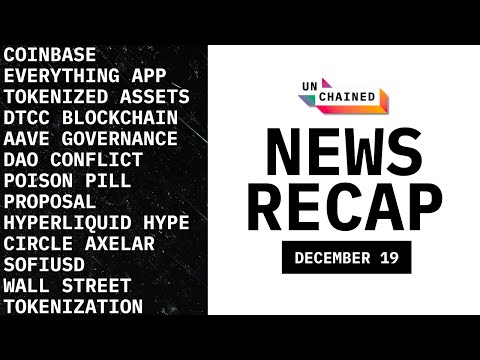
Tokenization is the Trojan Horse: TradFi isn't just observing; it's actively building on public blockchains. Tokenized real-world assets (RWAs) are the primary vector for institutional adoption.
Governance Matters: For builders, robust and transparent DAO governance is paramount. For investors, scrutinize projects for clear value accrual to token holders and potential conflicts between core teams and DAOs.
Regulatory Nuance: The Fed's policy shift suggests a move towards more nuanced regulation, potentially opening doors for regulated entities to engage with digital assets.
Strategic Patience Pays: Successful RWA tokenization requires a multi-year commitment to building infrastructure and liquidity, even if it means foregoing immediate profits.
Builders & Investors: Focus on Wallets & DApps: The future is self-custody wallets interacting with specialized, best-in-class DApps, not centralized "super apps." Build intuitive wallet experiences and highly efficient DApps.
The "So What?": Expect a significant migration of traditional financial assets and liabilities onto DeFi protocols over the next 6-12 months, driven by institutional adoption and regulatory clarity, leading to lower costs for consumers and new opportunities for capital.
Political Catalyst: A major political shift, likely driven by public anger over economic disparity, is the only force capable of breaking the current feudalistic cycle. This will be obvious when it happens, likely causing a sharp market correction.
Strategic Asset Allocation: Investors should prioritize stores of value (like gold) and seek out hard assets in overlooked emerging/frontier markets. Avoid the AI hardware bubble and identify companies that will leverage AI to cut white-collar costs, rather than those building the infrastructure.
The "So What?": The current economic structure is unsustainable. The growing divide and misallocation of capital will eventually force a re-evaluation of economic priorities. Positioning for this shift means embracing volatility and a long-term, contrarian view, looking beyond the overvalued "approved products" of the current system.
Convergence is Here: The lines between traditional finance and crypto are blurring. Expect more "everything apps" and institutional adoption of public blockchains for RWAs.
Token Alignment Matters: Builders must prioritize robust legal and governance structures that enshrine token holder rights. This will be a key differentiator for attracting capital in the next cycle.
Ethereum's Enduring Role: Despite new contenders, Ethereum continues to solidify its position as a foundational layer for institutional tokenization and decentralized finance.
Market Structure Overhaul: The current token distribution model is broken. Expect continued pressure on altcoins until tokenomics evolve to prioritize product-market fit over continuous investor unlocks.
Strategic Accumulation: This period of apathy is ideal for researching and accumulating Bitcoin and high-conviction RWAs. Cash is a strategic asset for deploying when opportunities arise.
TradFi on Chain: The next growth vector for crypto involves capturing traditional finance flows through tokenized equities, commodities, and FX. Builders should focus on robust, order-book based solutions with improved user experience.
Institutional Integration: Crypto is embedding itself into traditional finance, not replacing it. Expect more "everything apps" and verticalized services from major players.
Yield Evolution: As interest rates decline, the demand for diversified, transparent yield-bearing stablecoins will intensify. Protocols with robust risk management and RWA exposure will lead.
Creator Economy's Next Frontier: On-chain tools will redefine creator monetization, shifting from vanity metrics to direct value capture and deeper fan relationships.