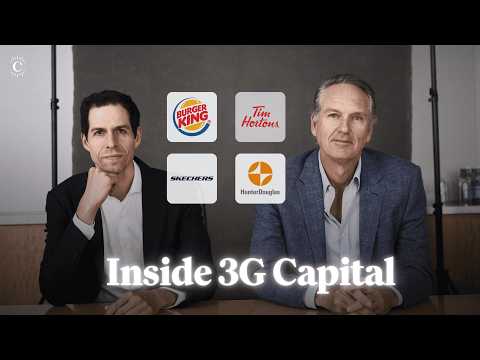
As markets become more complex and tech-driven, the ability to identify and deeply operate businesses with enduring customer relationships becomes a critical differentiator. 3G's model shows that concentration on "forever businesses" with strong brands and operational upside can outperform broad diversification.
Cultivate an owner-operator mindset within your organization, pushing decision-making closer to the problem and aligning incentives with long-term value creation. Prioritize hiring and empowering high-potential talent early, providing mentorship to maximize their success.
In a world obsessed with speed and scale, 3G Capital's patient, concentrated, and operationally intensive approach to investing in high-quality, customer-owning businesses offers a powerful blueprint for compounding capital and building lasting value over the next decade.
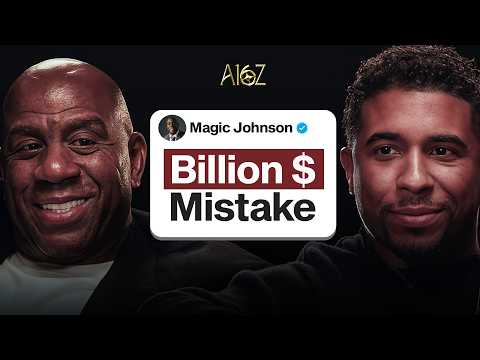
The Macro Shift: Celebrity and athlete capital is migrating from transactional endorsements to strategic equity investments, driven by a desire for long-term wealth creation and direct ownership. This trend is amplified by AI and blockchain tools, which enable individuals to build high-value enterprises with leaner teams.
The Tactical Edge: Cultivate a robust, diverse network by actively engaging with dealmakers, even in "boring" settings. Prioritize equity-based opportunities in overlooked markets or early-stage, foundational technologies with clear demand.
The Bottom Line: The next 6-12 months will see increased convergence of brand power, strategic capital, and advanced tech. Investors and founders who embrace long-term vision, smart partnerships, and a willingness to invest in "unsexy" but essential sectors will capture disproportionate value.
The celebrity-as-investor model, driven by equity over endorsements, is mainstream, creating new avenues for capital and brand influence in high-growth ventures.
Cultivate diverse mentors and partners, prioritize long-term relationships, and seek "boring" businesses in underserved markets with clear demand.
Success in the next 6-12 months hinges on strategic investment in capital and relationships, using AI for efficiency, and building teams that execute on sustained growth.
The era of celebrity endorsements is yielding to a new paradigm where high-profile individuals become active equity investors and brand builders, leveraging their influence for long-term capital appreciation rather than short-term cash.
Cultivate a diverse network of experts and mentors, prioritizing relationships over immediate transactions, and be prepared to invest your own capital to secure high-potential, often "boring," opportunities.
Future wealth creation hinges on strategic partnerships, a willingness to invest in overlooked markets, and a deep understanding of equity's power.
The convergence of celebrity influence, patient capital, and technological advancements (AI, blockchain) is creating a new class of asset owners and builders. This evolution prioritizes long-term equity and strategic value-add over transactional endorsements, fundamentally altering how wealth is created and distributed.
Cultivate a "dealmaker's rolodex" by consistently networking and seeking out mentors. Prioritize investments in businesses that address clear, underserved market demands, even if they appear "boring," and always be ready to put capital to work for equity.
The future of high-growth investing lies in understanding that "boring" can be brilliant, partnerships amplify potential, and a winning mindset applies equally to sports and startups. Position your capital and network to capture value from these enduring principles, especially as AI accelerates business creation and efficiency.
The traditional athlete-endorsement model is giving way to an equity-driven, ownership-first approach. This reflects a broader economic trend where brand power translates directly into capital formation and long-term asset appreciation, particularly in sports and tech.
Cultivate a "give-first" network by consistently seeking out and engaging with top-tier dealmakers and founders, even when immediate returns are not apparent. Prioritize early, strategic investments in "boring" or overlooked sectors with high demand, and be prepared to commit capital and expertise.
The convergence of athlete-investors, tech innovation (AI/blockchain), and appreciating asset classes (sports teams) creates a fertile ground for exponential wealth creation. Position yourself to participate in this shift by building a smart team, embracing long-term equity plays, and identifying high-demand, underserved markets.
The convergence of celebrity capital, AI-driven efficiency, and insatiable demand for sports content creates fertile ground. New ventures can scale faster with smaller teams and benefit from high-profile, strategic investors.
Prioritize long-term equity over short-term cash, cultivate a diverse network, and invest heavily in core product and customer experience.
Success hinges on identifying overlooked markets, building expert teams, and adopting strategic partnerships beyond mere capital.
Escape Velocity Reached: Like the early internet and Bitcoin, BitTensor has survived its infancy. Its ecosystem of 128+ subnets has created a network-effect moat that makes it incredibly difficult to disrupt.
The "Front Door" Is the Next Billion-Dollar Opportunity: The most significant hurdle for BitTensor is its developer-focused user experience. The companies that successfully build simple, consumer-friendly interfaces on top of the subnets will unlock immense value.
Powerful Tokenomics Signal a Supply Shock: TAO's upcoming halving, combined with its built-in utility and high staking rate, is creating a classic supply squeeze. With demand structurally increasing as the network grows, the economics point toward a significant price appreciation for the root token.
The Game Is Rigged, Play Accordingly. Traditional analysis is failing. The winning strategy is "grift arbitrage"—investing in assets that benefit from government spending and political connections.
Bonds are Dead, Long Live Yield. With governments committed to fiscal dominance, bonds offer negative real returns. The hunt for yield is driving capital from fiat junk bonds into Bitcoin and Ethereum.
Hedge for the Inevitable Shakeup. The system is fragile. Key risks like aggressive tariffs or a hawkish Bank of Japan could trigger a sharp sell-off. With volatility low, now is the time to buy cheap protection.
Treasury Vehicles are a Trap. They're the new high-risk, high-reward play, but the danger isn't debt—it's massive shareholder dilution and a rapid, reflexive unwind that will be far quicker and more brutal than Grayscale's.
The Cycle Isn't Dead, It's Rhyming. The market is replaying the classic playbook: BTC runs, ETH surges, and capital spills into retail-favorite alts. Calling a top is a fool's errand, but the exuberance is palpable.
Regulation is a Double-Edged Sword. New laws provide a path for tokens to become commodities but may incentivize projects to launch chains purely for regulatory arbitrage, adding another layer of complexity to the market.
**Ethereum's revival is structural, not speculative.** Unprecedented ETF and corporate treasury inflows are creating sustained buying pressure that could push ETH to $10K and beyond, rendering past cynicism obsolete.
**Regulation is the unlock for institutional crypto.** The Clarity and Genius Acts are not just rules; they are the green light for institutional capital that has been waiting on the sidelines for legal certainty.
**The future of consumer crypto is weird and profitable.** Platforms like Pump.fun prove that the most powerful business models may not fit traditional molds but will win by tapping into raw, unfiltered user demand.
The ETH Treasury Is The New Institutional Bid. The narrative that powered Bitcoin's run is now being replicated for ETH, but with a twist: former Bitcoin miners are leading the charge, creating a powerful, reflexive buy-cycle.
ETH's Supply Squeeze Is Real. The combination of record ETF demand, minimal proof-of-stake issuance, and a re-staking culture means the buy pressure is overwhelming the available sell-side liquidity.
Regulation Is Becoming A Tailwind. The expected passage of the stablecoin bill provides a legitimate foundation for institutional adoption, turning a long-time headwind into a powerful catalyst for growth.
Solana’s Watershed Moment: The smooth on-chain execution for a high-demand event proved that decentralized infrastructure is not just viable but, in this case, superior to its centralized counterparts.
Value Accrual is Non-Negotiable: The era of valueless governance tokens is over. Protocols must now provide clear, tangible mechanisms like revenue sharing or buybacks to build trust and justify their valuation.
The Real Game is the Front-End: While back-end infrastructure plays are viable, the ultimate prize is owning the user relationship. PUMP’s battle with Axiom for the title of the premier consumer-facing crypto app is the key narrative to watch.