The transition from technology push to market pull requires builders to stop focusing on the stack and start obsessing over user psychology.
Apply the Mom Test by asking users about their current workflows instead of pitching your solution. This prevents building expensive features that nobody uses.
The next decade of AI will be won by those who understand the human condition as deeply as they understand the transformer architecture.
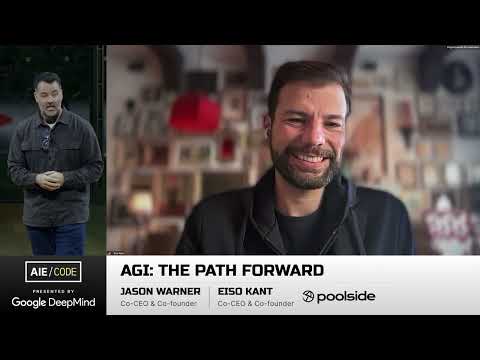
The Macro Shift: The Great Re-architecting. As legacy software moats evaporate and industrial supply chains reshore, value is migrating from passive data storage to active execution layers.
The Tactical Edge: Target Archaic Verticals. Identify high-friction industries like mortgage servicing or IT support where the distance between intent and execution is currently measured in days.
The Bottom Line: The next two years will reward those who build systems of action that replace human labor with autonomous agents and software-defined hardware.
The Macro Trend: Economic complexity predicts growth better than current GDP. Capital will move toward "high-letter" economies like India and Indonesia.
The Tactical Edge: Prioritize team retention over documentation. Since knowledge is embodied, losing a core team is equivalent to deleting the source code.
The Bottom Line: Success in the next decade belongs to those who treat knowledge as a living network rather than a digital asset.
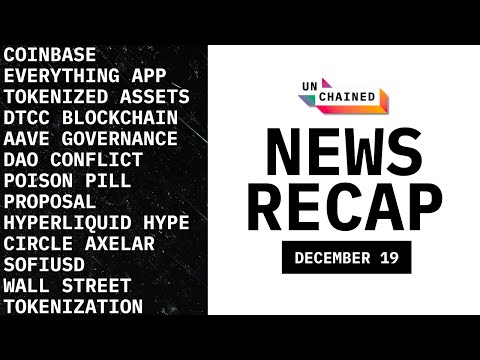
Tokenization is the Trojan Horse: TradFi isn't just observing; it's actively building on public blockchains. Tokenized real-world assets (RWAs) are the primary vector for institutional adoption.
Governance Matters: For builders, robust and transparent DAO governance is paramount. For investors, scrutinize projects for clear value accrual to token holders and potential conflicts between core teams and DAOs.
Regulatory Nuance: The Fed's policy shift suggests a move towards more nuanced regulation, potentially opening doors for regulated entities to engage with digital assets.
Strategic Patience Pays: Successful RWA tokenization requires a multi-year commitment to building infrastructure and liquidity, even if it means foregoing immediate profits.
Builders & Investors: Focus on Wallets & DApps: The future is self-custody wallets interacting with specialized, best-in-class DApps, not centralized "super apps." Build intuitive wallet experiences and highly efficient DApps.
The "So What?": Expect a significant migration of traditional financial assets and liabilities onto DeFi protocols over the next 6-12 months, driven by institutional adoption and regulatory clarity, leading to lower costs for consumers and new opportunities for capital.
Political Catalyst: A major political shift, likely driven by public anger over economic disparity, is the only force capable of breaking the current feudalistic cycle. This will be obvious when it happens, likely causing a sharp market correction.
Strategic Asset Allocation: Investors should prioritize stores of value (like gold) and seek out hard assets in overlooked emerging/frontier markets. Avoid the AI hardware bubble and identify companies that will leverage AI to cut white-collar costs, rather than those building the infrastructure.
The "So What?": The current economic structure is unsustainable. The growing divide and misallocation of capital will eventually force a re-evaluation of economic priorities. Positioning for this shift means embracing volatility and a long-term, contrarian view, looking beyond the overvalued "approved products" of the current system.
Convergence is Here: The lines between traditional finance and crypto are blurring. Expect more "everything apps" and institutional adoption of public blockchains for RWAs.
Token Alignment Matters: Builders must prioritize robust legal and governance structures that enshrine token holder rights. This will be a key differentiator for attracting capital in the next cycle.
Ethereum's Enduring Role: Despite new contenders, Ethereum continues to solidify its position as a foundational layer for institutional tokenization and decentralized finance.
Market Structure Overhaul: The current token distribution model is broken. Expect continued pressure on altcoins until tokenomics evolve to prioritize product-market fit over continuous investor unlocks.
Strategic Accumulation: This period of apathy is ideal for researching and accumulating Bitcoin and high-conviction RWAs. Cash is a strategic asset for deploying when opportunities arise.
TradFi on Chain: The next growth vector for crypto involves capturing traditional finance flows through tokenized equities, commodities, and FX. Builders should focus on robust, order-book based solutions with improved user experience.
Institutional Integration: Crypto is embedding itself into traditional finance, not replacing it. Expect more "everything apps" and verticalized services from major players.
Yield Evolution: As interest rates decline, the demand for diversified, transparent yield-bearing stablecoins will intensify. Protocols with robust risk management and RWA exposure will lead.
Creator Economy's Next Frontier: On-chain tools will redefine creator monetization, shifting from vanity metrics to direct value capture and deeper fan relationships.