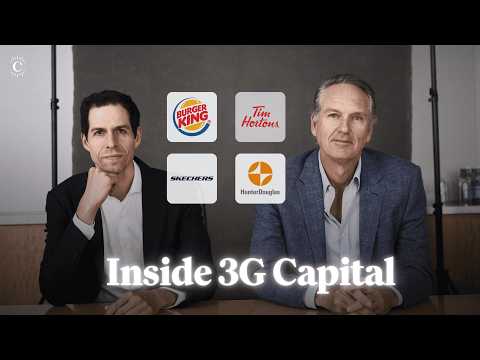
As markets become more complex and tech-driven, the ability to identify and deeply operate businesses with enduring customer relationships becomes a critical differentiator. 3G's model shows that concentration on "forever businesses" with strong brands and operational upside can outperform broad diversification.
Cultivate an owner-operator mindset within your organization, pushing decision-making closer to the problem and aligning incentives with long-term value creation. Prioritize hiring and empowering high-potential talent early, providing mentorship to maximize their success.
In a world obsessed with speed and scale, 3G Capital's patient, concentrated, and operationally intensive approach to investing in high-quality, customer-owning businesses offers a powerful blueprint for compounding capital and building lasting value over the next decade.
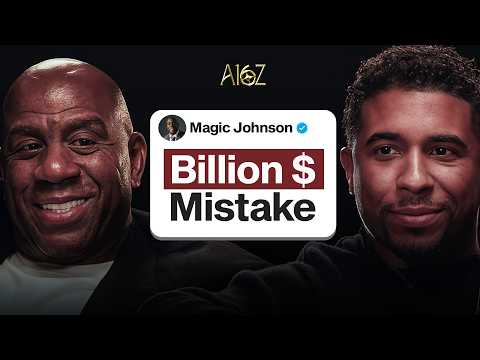
The Macro Shift: Celebrity and athlete capital is migrating from transactional endorsements to strategic equity investments, driven by a desire for long-term wealth creation and direct ownership. This trend is amplified by AI and blockchain tools, which enable individuals to build high-value enterprises with leaner teams.
The Tactical Edge: Cultivate a robust, diverse network by actively engaging with dealmakers, even in "boring" settings. Prioritize equity-based opportunities in overlooked markets or early-stage, foundational technologies with clear demand.
The Bottom Line: The next 6-12 months will see increased convergence of brand power, strategic capital, and advanced tech. Investors and founders who embrace long-term vision, smart partnerships, and a willingness to invest in "unsexy" but essential sectors will capture disproportionate value.
The celebrity-as-investor model, driven by equity over endorsements, is mainstream, creating new avenues for capital and brand influence in high-growth ventures.
Cultivate diverse mentors and partners, prioritize long-term relationships, and seek "boring" businesses in underserved markets with clear demand.
Success in the next 6-12 months hinges on strategic investment in capital and relationships, using AI for efficiency, and building teams that execute on sustained growth.
The era of celebrity endorsements is yielding to a new paradigm where high-profile individuals become active equity investors and brand builders, leveraging their influence for long-term capital appreciation rather than short-term cash.
Cultivate a diverse network of experts and mentors, prioritizing relationships over immediate transactions, and be prepared to invest your own capital to secure high-potential, often "boring," opportunities.
Future wealth creation hinges on strategic partnerships, a willingness to invest in overlooked markets, and a deep understanding of equity's power.
The convergence of celebrity influence, patient capital, and technological advancements (AI, blockchain) is creating a new class of asset owners and builders. This evolution prioritizes long-term equity and strategic value-add over transactional endorsements, fundamentally altering how wealth is created and distributed.
Cultivate a "dealmaker's rolodex" by consistently networking and seeking out mentors. Prioritize investments in businesses that address clear, underserved market demands, even if they appear "boring," and always be ready to put capital to work for equity.
The future of high-growth investing lies in understanding that "boring" can be brilliant, partnerships amplify potential, and a winning mindset applies equally to sports and startups. Position your capital and network to capture value from these enduring principles, especially as AI accelerates business creation and efficiency.
The traditional athlete-endorsement model is giving way to an equity-driven, ownership-first approach. This reflects a broader economic trend where brand power translates directly into capital formation and long-term asset appreciation, particularly in sports and tech.
Cultivate a "give-first" network by consistently seeking out and engaging with top-tier dealmakers and founders, even when immediate returns are not apparent. Prioritize early, strategic investments in "boring" or overlooked sectors with high demand, and be prepared to commit capital and expertise.
The convergence of athlete-investors, tech innovation (AI/blockchain), and appreciating asset classes (sports teams) creates a fertile ground for exponential wealth creation. Position yourself to participate in this shift by building a smart team, embracing long-term equity plays, and identifying high-demand, underserved markets.
The convergence of celebrity capital, AI-driven efficiency, and insatiable demand for sports content creates fertile ground. New ventures can scale faster with smaller teams and benefit from high-profile, strategic investors.
Prioritize long-term equity over short-term cash, cultivate a diverse network, and invest heavily in core product and customer experience.
Success hinges on identifying overlooked markets, building expert teams, and adopting strategic partnerships beyond mere capital.
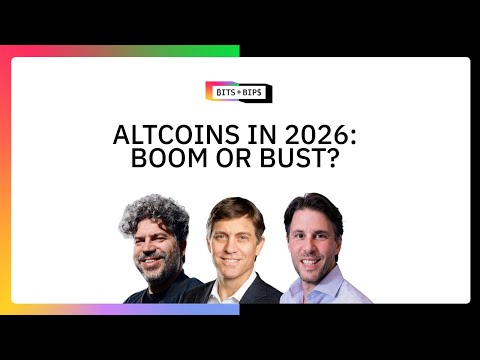
Geopolitical fracturing is replacing the single-hedge-fund-world. Capital is migrating from speculative "paper" assets to hard-capped commodities and privacy-preserving tech.
Short the "zombie" alts. Create a basket of low-utility, high-FDV tokens from the previous cycle and pair them against long positions in Bitcoin and Monero.
The market is punishing momentum-chasing and rewarding structural alignment. If you aren't positioned for a multipolar, high-inflation environment, you are exit liquidity for the sovereigns.
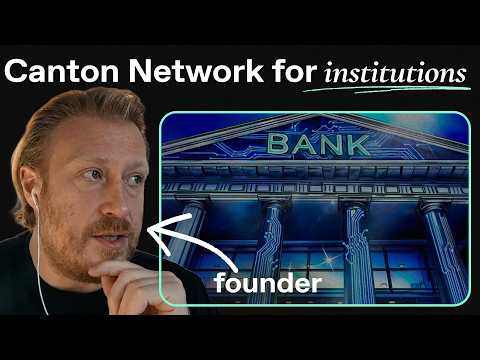
The Macro Shift: Regulatory moats are being built around stablecoins to protect bank deposits. This forces a migration toward "consortium" models like Stripe’s Tempo.
The Tactical Edge: Audit market maker agreements to ensure protection against exchange API failures. Reliability is now a competitive advantage.
2026 looks like a liquidity-driven recovery. The "easy road" is over, but the infrastructure for the next cycle is finally being built by adults.
The Macro Trend: Vertical Integration. Protocols are moving from single-utility tools to full-stack financial ecosystems that own both the liquidity and the application layer.
The Tactical Edge: Monitor HIP-3 auctions. Watch how new exchanges utilize Kinetic's infrastructure to bootstrap liquidity without issuing predatory new tokens.
The Bottom Line: Kinetic is building the infrastructure for a post-Binance world where users own the venues they trade on. This matters for your roadmap because user-owned liquidity is the next major phase of DeFi growth.