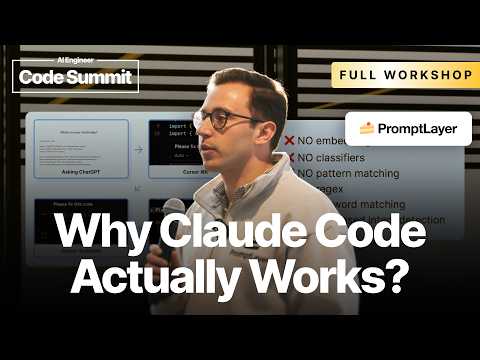
The Macro Shift: Agentic Abstraction. We are moving from Model-as-a-Service to Agent-as-a-Service where the harness is as important as the weights.
The Tactical Edge: Standardize your CLI. Use tools like ripgrep (RG) that models already have "habits" for to see immediate performance gains.
The Bottom Line: The next 12 months will see the end of manual integration engineering as agents become capable of navigating UIs and legacy terminals autonomously.
The commoditization of syntax means architectural judgment is the only remaining moat. As the cost of code hits zero the value of intent skyrockets.
Replace your manual refactoring workflows with a burn and rebuild strategy. Use agents to generate entirely new modules instead of patching old ones.
Seniority is no longer a shield against obsolescence. You must spend the next six months building your agentic intuition or risk being replaced by a PhD student with a prompt.
The Macro Evolution: Standardized communication layers are replacing custom API integrations. This commoditizes the connector market and moves value to the models that best utilize these tools.
The Tactical Edge: Standardize your internal data tools using MCP servers today. This ensures your company is ready for autonomous agents that can discover and use your resources without manual API integration.
The Bottom Line: The agentic stack is consolidating around MCP. Interoperability is no longer a feature; it is the foundation for the next decade of AI utility.
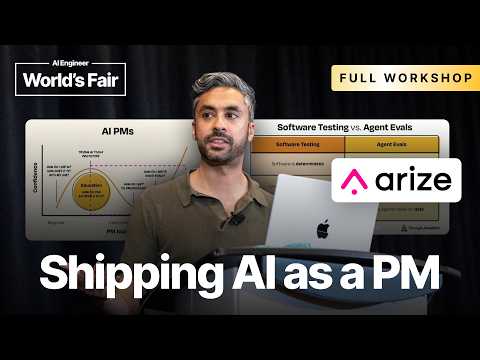
The Macro Shift: From Model-Centric to Eval-Centric. The value is moving from the LLM itself to the proprietary evaluation loops that keep the LLM on the rails.
The Tactical Edge: Export production traces and build a "Golden Set" of 50 hard examples. Use these to run A/B tests on every prompt change before hitting production.
The Bottom Line: Reliability is the product. If you cannot measure how your agent fails, you haven't built a product; you've built a demo.
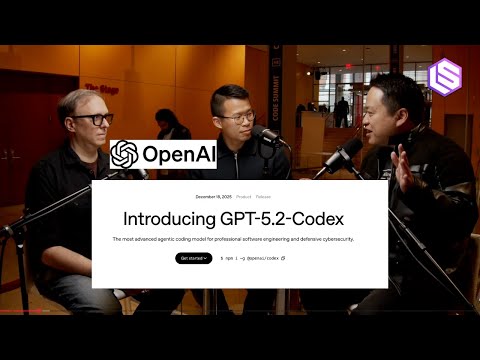
The transition from chatbots with tools to agents that build tools marks the end of the manual integration era.
Stop building custom model scaffolding and start building on top of opinionated agent layers like the Codex SDK.
In 12 months, the distinction between a coding agent and a general computer user will vanish as the terminal becomes the primary interface for all digital labor.
The Capability-Utility Gap is widening. We see a divergence where models get smarter but the friction of human-AI collaboration keeps productivity flat.
Deploy AI for mid-level engineers or low-context tasks. Avoid forcing AI workflows on your top seniors working in complex legacy systems.
The next year will focus on reliability over raw intelligence. The winners will have models that require the least amount of human babysitting.
Potential has Price: Markets value the option for a token to capture future cash flows, not just current ones. Dismissing tokens without active fees is shortsighted.
Fee Activation Isn't Genesis: Turning on token fees typically causes a moderate price bump (15-20%), proving the market already factored in this possibility.
Governance is Power: The right to govern, including the right to implement future economics, constitutes a tangible source of value recognized by the market.
**User Education is Paramount:** The biggest immediate "consumer protection" gap revealed isn't faulty platforms (based on these complaints), but users not understanding the tech they're using.
**Blockchain Basics Aren't Basic Yet:** Immutability, custody, and risk management in crypto are poorly understood concepts driving user frustration and complaints.
**Regulatory Focus vs. Reality:** The CFPB shifting focus might be less impactful if current user problems stem more from knowledge gaps than addressable company actions.
Valuation is Relative: Forget pure fundamentals; focus on what's priced in and relative value, normalizing metrics for comparison.
Creator Economy Shift: Crypto platforms like Zora prioritize creator earnings, potentially sacrificing platform revenue for user growth – a different value capture model than Web2.
Financializing Everything: Tokenization extends market price discovery beyond finance to information and content, potentially creating powerful new discovery and monetization mechanisms.
Focus on Flow: Prioritize protocols demonstrating tangible cash flow generation and distribution to token holders (e.g., Maker, Hyperliquid) for fundamental value plays.
Creator is King (Economically): Crypto fundamentally alters creator economics; platforms distributing significant value back (like Zora aims to) will attract talent, disrupting incumbents even if the platform token itself doesn't capture massive value.
Price Discovery Expands: Crypto lowers the friction for asset issuance, enabling market-based price discovery to move beyond finance into information and content itself – a powerful, disruptive force.
Transparency is Non-Negotiable: Zora's chaotic token launch proves clear communication and transparent mechanics are crucial for project legitimacy and user safety.
Tokenomics Matter: Launching "for fun" tokens while allocating heavily to insiders erodes trust in an already skeptical market; utility or clear value propositions are needed.
Fix The Game: Rampant bot sniping on launchpads like Pump.fun undermines fairness; innovations like Zora's Doppler AMM are vital experiments to level the playing field.