The transition from general-purpose LLMs to specialized coding agents that operate on the entire codebase rather than isolated snippets.
Audit your current stack for agentic readiness. Prioritize tools that integrate with Gemini 3 or similar high-reasoning models to automate repetitive pull requests.
Code is the substrate of the digital world. If you control the means of AI code generation, you control the speed of innovation for every other industry.
The move from a singular "Universe" view to a "Multiverse" perspective mirrors the transition from centralized monoliths to fragmented, interoperable ecosystems.
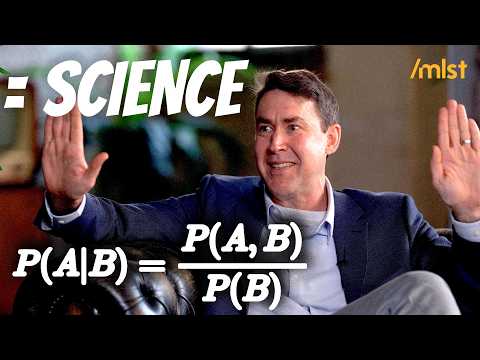
Build systems that fail gracefully when hitting Gödelian limits.
Truth is a vast ocean while proof is a small boat. Your roadmap must account for the reality that your system will eventually encounter truths it cannot verify.
The Macro Pivot: Outcome-Based Intelligence. We are moving from AI as a Service to Results as a Service where software value is tied to revenue generation rather than seat licenses.
The Tactical Edge: Verticalize the Data. Build in sectors with non-public outcome data to create a compounding moat that resists commoditization by foundation models.
The winners of 2026 will be those who use AI to solve core human needs for connection and discovery while building defensible, data-rich business models.
The Macro Transition: Moving from "Big Model" monoliths to "Lots of Little Models" where distributed Bayesian assets represent specific physical objects.
The Tactical Edge: Prioritize "Object-Centered" architectures that track uncertainty. This allows robots to "phone a friend" when encountering novel data.
The LLM era is hitting a wall of implicit representation. The next 12 months belong to those building explicit, causal world models grounded in physics rather than language.
The Macro Trend: The transition from static benchmarks to live human-in-the-loop evaluation. As models saturate fixed tests, the only remaining signal is subjective human preference at scale.
The Tactical Edge: Monitor secret model drops on Arena to spot frontier capabilities before official releases. This provides a lead time advantage for builders choosing their tech stack.
The Bottom Line: Arena is the new kingmaker. If you are building AI products, their expert-tier data is the most reliable map for navigating the frontier.
The move from small models to medium models (15B to 70B) suggests that reasoning capability is outstripping the desire for low-latency edge deployment.
Implement instruction-following re-rankers to prune your context window. This prevents the model from getting confused by irrelevant data.
Stop building toys. The next year belongs to those who can build full agentic systems that handle billions of tokens without losing the plot.
Deficit Tailwinds: Persistent global fiscal deficits are expected to continue fueling appreciation in risk assets, including cryptocurrencies.
Stablecoin Tsunami: Stablecoins are not just a crypto niche but a fundamental disruptor to the traditional banking system, with significant investment flowing into leaders like Circle, despite valuation concerns.
App-Layer Alpha: Value is increasingly found in specific applications (like Pump.Fun) and companies leveraging crypto (like Galaxy Digital's AI/crypto blend), sometimes even diverting attention from base-layer L1 tokens.
ETH's Narrative is Shifting: From "tech stock" to "digital oil" and "store of value," clarifying its multifaceted value.
Supply Squeeze Imminent: Capped issuance plus rising demand driven by network activity and institutional adoption points to a strong supply-demand imbalance.
Massive Re-rating Potential: If ETH achieves a similar status to other global reserve assets, its price could see exponential growth from current levels.
**RLUSD Rising:** Ripple's ambition is clear: make RLUSD a top 3-4 stablecoin by leveraging strategic acquisitions for mass distribution, potentially issuing billions through platforms like Hidden Road.
**Acquisition = Distribution:** Ripple is effectively purchasing its market share by acquiring businesses like Hidden Road and Metaco, creating an embedded network to push RLUSD adoption.
**Stablecoin Selects:** The future stablecoin landscape will likely feature 5-7 major players, not just two, and Ripple is aggressively positioning RLUSD to be one of them.
TradFi Wants In: The success of Circle's IPO demonstrates a massive, untapped demand from traditional markets for regulated crypto exposure, potentially paving the way for a wave of crypto IPOs.
ETH's Dilemma: While Ethereum is the undisputed settlement layer for stablecoins and RWAs, the direct translation of this utility to ETH asset appreciation remains a critical question, hinging on increased on-chain economic velocity.
Apps are Eating: Solana's ecosystem, with stars like Hyperliquid and Pump.fun, shows that "fat applications" can generate enormous revenue and user engagement, potentially capturing more value than the underlying L1s.
Digital Cash, Real Utility: Flipcash aims to make digital money feel like physical cash—instant, easy, and universally acceptable, starting with a seamless USDC experience.
Solana Speed is Key: The app's core "wow" factor of instant transactions relies heavily on Solana's performance, underscoring the blockchain's capability for consumer-facing applications.
Onboarding Solved?: Requiring a small purchase for an account, immediately offset by a USDC bonus, tackles the "empty wallet" problem, driving immediate engagement and demonstrating value.
**Card Networks Disrupted**: Stablecoins are poised to dismantle the high-fee "tax" imposed by traditional card payment systems, with innovators like Stripe leading the charge.
**Internet Re-Incentivized**: Ultra-efficient stablecoin networks (like Radius's vision) could replace the ad-driven "attention economy" with a new model of direct value exchange for digital services, driven by AI agents.
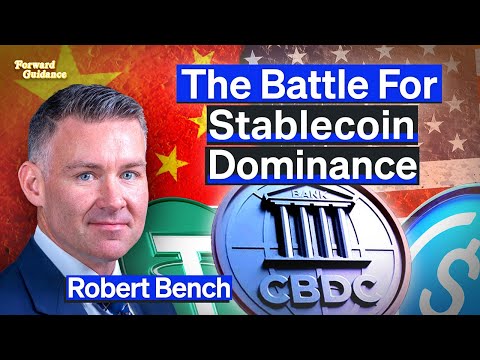
**Currency Cold War Heats Up**: The race for digital currency dominance is on, with USD stablecoins, China's e-CNY, and potentially Bitcoin vying to be the backbone of the next-gen global economy, likely leading to fewer, more standardized global currencies.