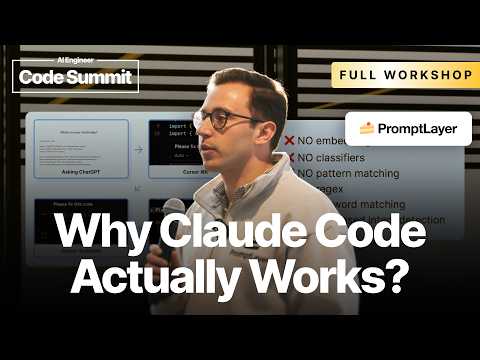
The Macro Shift: Agentic Abstraction. We are moving from Model-as-a-Service to Agent-as-a-Service where the harness is as important as the weights.
The Tactical Edge: Standardize your CLI. Use tools like ripgrep (RG) that models already have "habits" for to see immediate performance gains.
The Bottom Line: The next 12 months will see the end of manual integration engineering as agents become capable of navigating UIs and legacy terminals autonomously.
The commoditization of syntax means architectural judgment is the only remaining moat. As the cost of code hits zero the value of intent skyrockets.
Replace your manual refactoring workflows with a burn and rebuild strategy. Use agents to generate entirely new modules instead of patching old ones.
Seniority is no longer a shield against obsolescence. You must spend the next six months building your agentic intuition or risk being replaced by a PhD student with a prompt.
The Macro Evolution: Standardized communication layers are replacing custom API integrations. This commoditizes the connector market and moves value to the models that best utilize these tools.
The Tactical Edge: Standardize your internal data tools using MCP servers today. This ensures your company is ready for autonomous agents that can discover and use your resources without manual API integration.
The Bottom Line: The agentic stack is consolidating around MCP. Interoperability is no longer a feature; it is the foundation for the next decade of AI utility.
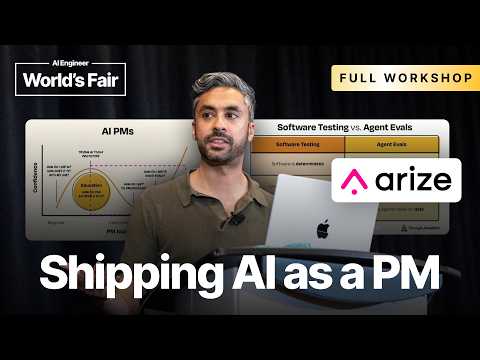
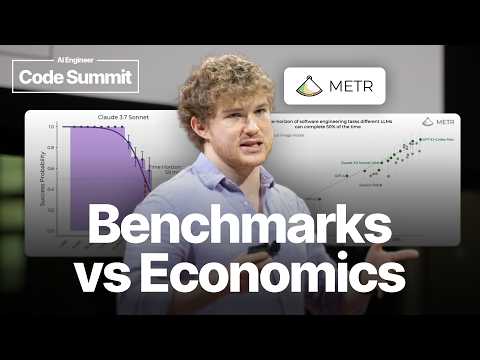
The Macro Shift: From Model-Centric to Eval-Centric. The value is moving from the LLM itself to the proprietary evaluation loops that keep the LLM on the rails.
The Tactical Edge: Export production traces and build a "Golden Set" of 50 hard examples. Use these to run A/B tests on every prompt change before hitting production.
The Bottom Line: Reliability is the product. If you cannot measure how your agent fails, you haven't built a product; you've built a demo.
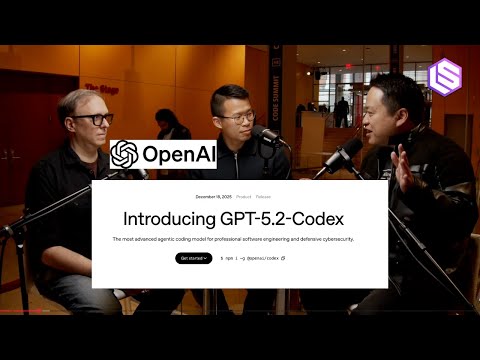
The transition from chatbots with tools to agents that build tools marks the end of the manual integration era.
Stop building custom model scaffolding and start building on top of opinionated agent layers like the Codex SDK.
In 12 months, the distinction between a coding agent and a general computer user will vanish as the terminal becomes the primary interface for all digital labor.
The Capability-Utility Gap is widening. We see a divergence where models get smarter but the friction of human-AI collaboration keeps productivity flat.
Deploy AI for mid-level engineers or low-context tasks. Avoid forcing AI workflows on your top seniors working in complex legacy systems.
The next year will focus on reliability over raw intelligence. The winners will have models that require the least amount of human babysitting.
Capital no longer distinguishes between AI stocks and rare metals. Investors treat these as a single risk-on bucket settled on-chain.
Monitor Hyperliquid deployers. Identify protocols moving from passive yield to active market-making to capture the next commodity rotation.
The next year will favor platforms providing access to diverse asset classes. Pure crypto protocols must adapt or lose mindshare to trade everything venues.
The Macro Transition: Hard Asset Migration. As fiat currencies lose purchasing power, capital moves into finite assets, starting with Gold and Bitcoin before trickling down to Silver and Ethereum.
The Tactical Edge: Buy the Laggard. Identify assets with strong fundamentals that have underperformed the market leader by more than 30%.
The Bottom Line: The catchup trade is the most profitable strategy when the primary leaders are consolidating.
The institutionalization of Bitcoin has temporarily sacrificed its digital gold status for liquidity, creating a massive opportunity for those who can stomach the volatility before the next decoupling.
Monitor Japanese government bond yields as a leading indicator for global risk tolerance.
Bitcoin is currently a liquidity sponge, not a bunker. Expect it to follow the Trump Put and tech earnings until its volatility profile mirrors a currency rather than a speculative stock.
The market is moving from the "Compute Layer" to the "Agentic Layer." Owning the GPU is less valuable than owning the agent that controls the wallet.
Build agent-first interfaces. Stop designing for human clicks and start structuring your data so an LLM can execute transactions on your behalf.
The next 12 months belong to on-chain agents that handle treasury ops and commerce. The "decentralized GPU" narrative is dead. The "AI Agent with a bank account" narrative is just beginning.