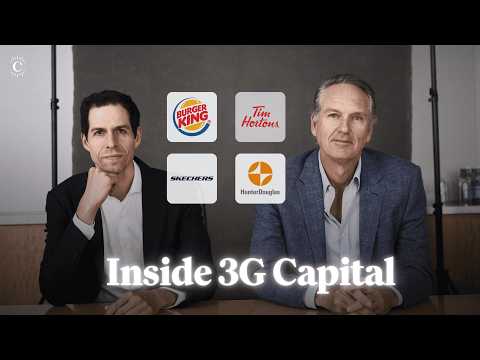
As markets become more complex and tech-driven, the ability to identify and deeply operate businesses with enduring customer relationships becomes a critical differentiator. 3G's model shows that concentration on "forever businesses" with strong brands and operational upside can outperform broad diversification.
Cultivate an owner-operator mindset within your organization, pushing decision-making closer to the problem and aligning incentives with long-term value creation. Prioritize hiring and empowering high-potential talent early, providing mentorship to maximize their success.
In a world obsessed with speed and scale, 3G Capital's patient, concentrated, and operationally intensive approach to investing in high-quality, customer-owning businesses offers a powerful blueprint for compounding capital and building lasting value over the next decade.
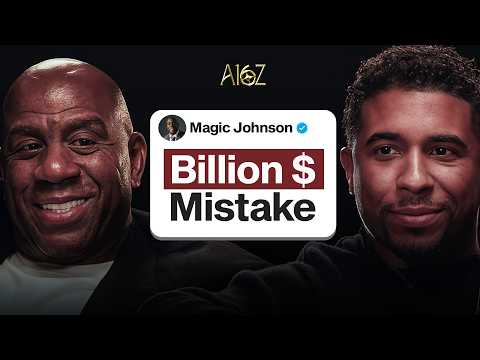
The Macro Shift: Celebrity and athlete capital is migrating from transactional endorsements to strategic equity investments, driven by a desire for long-term wealth creation and direct ownership. This trend is amplified by AI and blockchain tools, which enable individuals to build high-value enterprises with leaner teams.
The Tactical Edge: Cultivate a robust, diverse network by actively engaging with dealmakers, even in "boring" settings. Prioritize equity-based opportunities in overlooked markets or early-stage, foundational technologies with clear demand.
The Bottom Line: The next 6-12 months will see increased convergence of brand power, strategic capital, and advanced tech. Investors and founders who embrace long-term vision, smart partnerships, and a willingness to invest in "unsexy" but essential sectors will capture disproportionate value.
The celebrity-as-investor model, driven by equity over endorsements, is mainstream, creating new avenues for capital and brand influence in high-growth ventures.
Cultivate diverse mentors and partners, prioritize long-term relationships, and seek "boring" businesses in underserved markets with clear demand.
Success in the next 6-12 months hinges on strategic investment in capital and relationships, using AI for efficiency, and building teams that execute on sustained growth.
The era of celebrity endorsements is yielding to a new paradigm where high-profile individuals become active equity investors and brand builders, leveraging their influence for long-term capital appreciation rather than short-term cash.
Cultivate a diverse network of experts and mentors, prioritizing relationships over immediate transactions, and be prepared to invest your own capital to secure high-potential, often "boring," opportunities.
Future wealth creation hinges on strategic partnerships, a willingness to invest in overlooked markets, and a deep understanding of equity's power.
The convergence of celebrity influence, patient capital, and technological advancements (AI, blockchain) is creating a new class of asset owners and builders. This evolution prioritizes long-term equity and strategic value-add over transactional endorsements, fundamentally altering how wealth is created and distributed.
Cultivate a "dealmaker's rolodex" by consistently networking and seeking out mentors. Prioritize investments in businesses that address clear, underserved market demands, even if they appear "boring," and always be ready to put capital to work for equity.
The future of high-growth investing lies in understanding that "boring" can be brilliant, partnerships amplify potential, and a winning mindset applies equally to sports and startups. Position your capital and network to capture value from these enduring principles, especially as AI accelerates business creation and efficiency.
The traditional athlete-endorsement model is giving way to an equity-driven, ownership-first approach. This reflects a broader economic trend where brand power translates directly into capital formation and long-term asset appreciation, particularly in sports and tech.
Cultivate a "give-first" network by consistently seeking out and engaging with top-tier dealmakers and founders, even when immediate returns are not apparent. Prioritize early, strategic investments in "boring" or overlooked sectors with high demand, and be prepared to commit capital and expertise.
The convergence of athlete-investors, tech innovation (AI/blockchain), and appreciating asset classes (sports teams) creates a fertile ground for exponential wealth creation. Position yourself to participate in this shift by building a smart team, embracing long-term equity plays, and identifying high-demand, underserved markets.
The convergence of celebrity capital, AI-driven efficiency, and insatiable demand for sports content creates fertile ground. New ventures can scale faster with smaller teams and benefit from high-profile, strategic investors.
Prioritize long-term equity over short-term cash, cultivate a diverse network, and invest heavily in core product and customer experience.
Success hinges on identifying overlooked markets, building expert teams, and adopting strategic partnerships beyond mere capital.
**Memecoin Rebound Signals Risk-On:** The sharp recovery in memecoins highlights the market's speculative appetite; treat them as high-octane, ecosystem-specific bets.
**Strategic M&A is Reshaping Access:** Companies are buying their way into regulated markets and building out institutional-grade services, with "Crypto as a Service" set to grow.
**Institutional Rails Getting Stronger:** Coinbase’s S&P 500 debut and EToro’s IPO are landmark events, cementing crypto's place in mainstream finance and improving market transparency.
ETH is Back (For Now): ETH's dramatic surge signals renewed conviction, but its long-term trajectory against Bitcoin remains a key market question.
Macro Drives All: The U.S.-China tariff pause and potential capital control strategies will significantly impact risk assets; Bitcoin and gold are positioned as key beneficiaries of dollar devaluation.
Regulation is Turning Pro-Crypto: The SEC's pivot towards clear frameworks could finally unlock institutional adoption and the tokenization of real-world assets.
ETH Rally = Fragile Foundation: ETH's recent pump is more a short-squeeze than broad institutional buy-in; treat with skepticism.
Solana's Strategic Advantages: Solana benefits from innovation, discounted token acquisitions by strategic entities, and key infrastructure developments like asset-level KYC.
Meme Meta Redux: The "Internet Capital Markets" on Solana offer high-risk, high-reward plays mirroring past speculative cycles; speed and early positioning are crucial.
ETH's Rally: A Squeeze, Not Salvation. The price pop was a function of market mechanics (short liquidations), not a fundamental shift.
Short ETH/BTC (Again) After the Fever Breaks. Wait for clear signs of weakness (2-3 red days) post-rally before considering shorts; the core bearish arguments hold.
ETH's Tech & UX Are Dated. Crippling fees and a clunky experience mean ETH is losing ground, and L2 growth doesn't inherently justify ETH's current price.
**Brace for Impact (and M&A):** Expect valuation haircuts and a rise in crypto M&A as funding tightens and runways shorten.
**Prioritize Survival:** Projects that, like Vertex, obsess over downside protection are better positioned than those fueled by pure optimism.
**Infrastructure Smarts:** Innovative platforms like Sonic, simplifying app-chain deployment and revenue sharing, represent a key evolution in building sustainable on-chain applications.
**Tariff Truce ≠ Lasting Peace:** The 90-day U.S.-China tariff pause offers temporary market relief, but deep-seated economic tensions and China's strategic pivot to "Made by China" suggest a protracted decoupling.
**Bitcoin Shines Amidst Chaos:** Bitcoin has demonstrated resilience, outperforming traditional assets during recent market turbulence and policy uncertainty, strengthening its case as a macro hedge.
**Crypto Legislation Stalls, Stakes Rise:** Delayed U.S. crypto laws create uncertainty; while Bitcoin may benefit from ambiguity, broader adoption and Ethereum's institutional ambitions hinge on clearer regulatory frameworks.