The Macro Shift: Agentic Abstraction. We are moving from Model-as-a-Service to Agent-as-a-Service where the harness is as important as the weights.
The Tactical Edge: Standardize your CLI. Use tools like ripgrep (RG) that models already have "habits" for to see immediate performance gains.
The Bottom Line: The next 12 months will see the end of manual integration engineering as agents become capable of navigating UIs and legacy terminals autonomously.
The commoditization of syntax means architectural judgment is the only remaining moat. As the cost of code hits zero the value of intent skyrockets.
Replace your manual refactoring workflows with a burn and rebuild strategy. Use agents to generate entirely new modules instead of patching old ones.
Seniority is no longer a shield against obsolescence. You must spend the next six months building your agentic intuition or risk being replaced by a PhD student with a prompt.
The Macro Evolution: Standardized communication layers are replacing custom API integrations. This commoditizes the connector market and moves value to the models that best utilize these tools.
The Tactical Edge: Standardize your internal data tools using MCP servers today. This ensures your company is ready for autonomous agents that can discover and use your resources without manual API integration.
The Bottom Line: The agentic stack is consolidating around MCP. Interoperability is no longer a feature; it is the foundation for the next decade of AI utility.
The Macro Shift: From Model-Centric to Eval-Centric. The value is moving from the LLM itself to the proprietary evaluation loops that keep the LLM on the rails.
The Tactical Edge: Export production traces and build a "Golden Set" of 50 hard examples. Use these to run A/B tests on every prompt change before hitting production.
The Bottom Line: Reliability is the product. If you cannot measure how your agent fails, you haven't built a product; you've built a demo.
The transition from chatbots with tools to agents that build tools marks the end of the manual integration era.
Stop building custom model scaffolding and start building on top of opinionated agent layers like the Codex SDK.
In 12 months, the distinction between a coding agent and a general computer user will vanish as the terminal becomes the primary interface for all digital labor.
The Capability-Utility Gap is widening. We see a divergence where models get smarter but the friction of human-AI collaboration keeps productivity flat.
Deploy AI for mid-level engineers or low-context tasks. Avoid forcing AI workflows on your top seniors working in complex legacy systems.
The next year will focus on reliability over raw intelligence. The winners will have models that require the least amount of human babysitting.
Deficit Tailwinds: Persistent global fiscal deficits are expected to continue fueling appreciation in risk assets, including cryptocurrencies.
Stablecoin Tsunami: Stablecoins are not just a crypto niche but a fundamental disruptor to the traditional banking system, with significant investment flowing into leaders like Circle, despite valuation concerns.
App-Layer Alpha: Value is increasingly found in specific applications (like Pump.Fun) and companies leveraging crypto (like Galaxy Digital's AI/crypto blend), sometimes even diverting attention from base-layer L1 tokens.
ETH's Narrative is Shifting: From "tech stock" to "digital oil" and "store of value," clarifying its multifaceted value.
Supply Squeeze Imminent: Capped issuance plus rising demand driven by network activity and institutional adoption points to a strong supply-demand imbalance.
Massive Re-rating Potential: If ETH achieves a similar status to other global reserve assets, its price could see exponential growth from current levels.
**RLUSD Rising:** Ripple's ambition is clear: make RLUSD a top 3-4 stablecoin by leveraging strategic acquisitions for mass distribution, potentially issuing billions through platforms like Hidden Road.
**Acquisition = Distribution:** Ripple is effectively purchasing its market share by acquiring businesses like Hidden Road and Metaco, creating an embedded network to push RLUSD adoption.
**Stablecoin Selects:** The future stablecoin landscape will likely feature 5-7 major players, not just two, and Ripple is aggressively positioning RLUSD to be one of them.
TradFi Wants In: The success of Circle's IPO demonstrates a massive, untapped demand from traditional markets for regulated crypto exposure, potentially paving the way for a wave of crypto IPOs.
ETH's Dilemma: While Ethereum is the undisputed settlement layer for stablecoins and RWAs, the direct translation of this utility to ETH asset appreciation remains a critical question, hinging on increased on-chain economic velocity.
Apps are Eating: Solana's ecosystem, with stars like Hyperliquid and Pump.fun, shows that "fat applications" can generate enormous revenue and user engagement, potentially capturing more value than the underlying L1s.
Digital Cash, Real Utility: Flipcash aims to make digital money feel like physical cash—instant, easy, and universally acceptable, starting with a seamless USDC experience.
Solana Speed is Key: The app's core "wow" factor of instant transactions relies heavily on Solana's performance, underscoring the blockchain's capability for consumer-facing applications.
Onboarding Solved?: Requiring a small purchase for an account, immediately offset by a USDC bonus, tackles the "empty wallet" problem, driving immediate engagement and demonstrating value.
**Card Networks Disrupted**: Stablecoins are poised to dismantle the high-fee "tax" imposed by traditional card payment systems, with innovators like Stripe leading the charge.
**Internet Re-Incentivized**: Ultra-efficient stablecoin networks (like Radius's vision) could replace the ad-driven "attention economy" with a new model of direct value exchange for digital services, driven by AI agents.
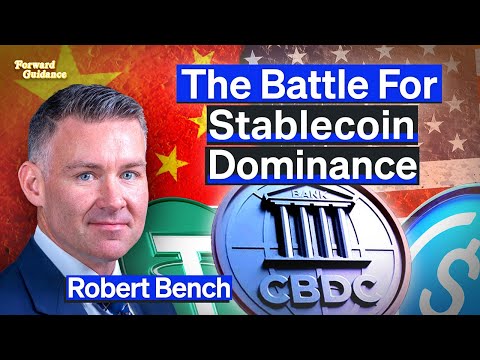
**Currency Cold War Heats Up**: The race for digital currency dominance is on, with USD stablecoins, China's e-CNY, and potentially Bitcoin vying to be the backbone of the next-gen global economy, likely leading to fewer, more standardized global currencies.