The decoupling of parameter count from active compute via sparsity means intelligence is becoming a software optimization problem as much as a hardware one.
Audit your agentic workflows for turn efficiency rather than just cost per token.
In a world of infinite tokens, the winner is the one who can verify the truth the fastest.
The Macro Pivot: The transition from LLMs as chat interfaces to LLMs as logic engines. As models move from text prediction to logic execution, the value moves from the model itself to the verification systems surrounding it.
The Tactical Edge: Audit the stack. Prioritize the integration of agentic coding tools like Jules to shorten the feedback loop between ideation and deployment.
The Bottom Line: Code is the only medium where AI can self-correct and scale without human intervention. The next 12 months will be defined by who can turn raw model power into reliable, self-healing code.
The Macro Transition: We are moving from "fire-and-forget" prompts to durable execution environments where state is as important as the model itself.
The Tactical Edge: Wrap your existing tool calls in the `useStep` function to gain instant retry logic and execution history.
The Bottom Line: Reliability is the primary moat in the agent market. Builders who adopt durable workflows will move to production while others are still debugging local scripts.
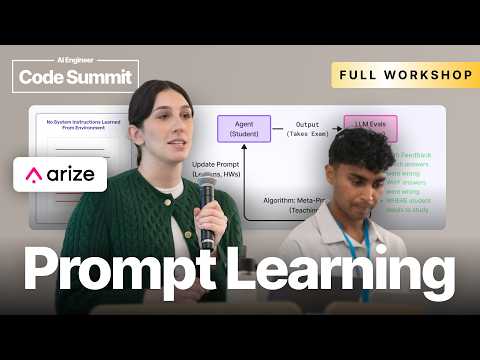
The move from manual prompt engineering to automated prompt learning. As models become commodities, the proprietary loop that refines them becomes the moat.
Implement a Train-Test Split for your prompts. Use a subset of failure data to generate new rules and validate them against a separate holdout set to ensure the logic holds.
Reliability is the only metric that matters for agent adoption. If you are not using a feedback loop to update your system instructions, you are building on sand.
The move from industrial management to creative inspiration. As AI automates routine tasks, the only remaining value is high-variance human creativity.
Apply the Keeper Test today. Ask your leads which team members they would fight for and provide generous exits for the rest to reset your talent bar.
Scaling doesn't require more rules. It requires better people. If you can maintain talent density, you can run fast while your competitors choke on their own handbooks.
Survive First, Profit Later. The market always presents new opportunities, but only for those who preserve capital. Avoid leverage and hold significant stablecoin allocations to capitalize on moments of extreme fear, not become a victim of them.
Find Your Asymmetric Edge: Farm, Don't Buy. Retail investors cannot out-trade funds with insider information. The real edge is in airdrop farming—getting into promising protocols early and selling the token to the masses who buy on inflated centralized exchange listings.
The Altcoin Reckoning is Here. The belief that a rising Bitcoin lifts all boats is a dangerous assumption. Most alts are overvalued and lack a fundamental thesis beyond momentum. Prepare for a future where Bitcoin grinds higher while most of the altcoin market bleeds out.
Founder Vision Outweighs Everything. Polymarket’s story proves that a founder with an unwavering, maniacal vision can overcome technical hurdles, regulatory threats, and brutal bear markets. Shane won by being an unstoppable evangelist.
Abstraction Is the Key to Mass Adoption. The best crypto apps don't feel like crypto apps. Polymarket’s success comes from hiding the blockchain complexity, a lesson for every builder aiming for mainstream relevance.
Bet on Second-Order Effects. The surge in BNB isn't about BSC's tech; it's a proxy bet on CZ's return. Smart investors look past the immediate narrative to trade the powerful undercurrents shaping the market.
Security Through Adversity: Targon’s "PTSD" from battling malicious miners forced them to build a cryptographically secure compute layer using TEEs, making their platform more resilient than siloed, trusted alternatives.
DeFi Meets DePIN: They are building a transparent financial market for compute, complete with order books and derivatives. The goal isn’t just to rent GPUs; it’s to create the pricing infrastructure for the entire compute economy.
The Foundational Layer: Targon is providing a verifiable, secure, and cost-effective compute service that other BitTensor subnets can build upon, potentially supercharging the entire network’s growth and competitive advantage.
**The L1 War Is Won.** Don't bet on new L1s. The network effects, developer mindshare, and ecosystem infrastructure of chains like Solana and Base have created an insurmountable moat.
**DATs Are the Trojan Horse for TradFi.** Digital Asset Treasury companies are the key to unlocking Wall Street capital. Expect Solana DATs to drive a massive TVL re-rating in 2026 as their superior yield generation becomes undeniable.
**SOL to $2,000 Is the Base Case.** This price target isn't based on meme-fueled hype, but on a model where Solana captures just 10% of the projected multi-trillion-dollar tokenized asset market by 2030.
Regulation by Exhaustion: The SEC's primary weapon was not legal action but a relentless process designed to drain builders' time, energy, and will to continue.
The Target Is Always Moving: Regulators will continuously shift their focus—from token to revenue to the product itself—until they find a viable angle of attack.
Innovation Was the Real Target: This "shotgun approach" against hundreds of projects was a de facto industry crackdown that successfully chased many legitimate builders away, achieving a policy goal without ever going to court.
Stop Pricing in Fiat: The BTC/Gold ratio is the clearest signal of Bitcoin’s fundamental adoption, stripping away the distortion of dollar debasement.
Mean Reversion Points to $150k+: The established BTC/Gold trend channel since 2023 is screaming higher. A simple return to the channel’s midpoint targets a $150k–$160k Bitcoin price by year-end.
Gold's Rally is Bitcoin's Tailwind: Gold’s new role as a de-dollarization hedge for nations and the subsequent portfolio rebalancing from gold profits into BTC create powerful dual-demand drivers for Bitcoin.