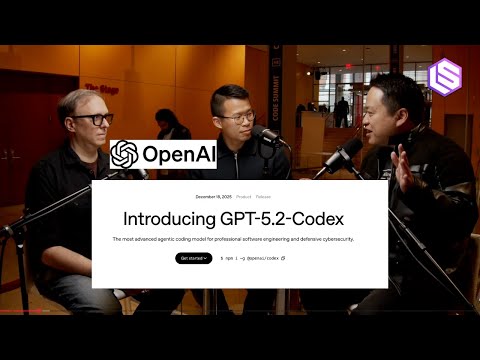
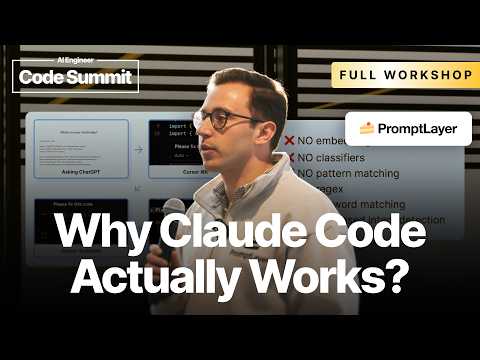
The Macro Shift: Agentic Abstraction. We are moving from Model-as-a-Service to Agent-as-a-Service where the harness is as important as the weights.
The Tactical Edge: Standardize your CLI. Use tools like ripgrep (RG) that models already have "habits" for to see immediate performance gains.
The Bottom Line: The next 12 months will see the end of manual integration engineering as agents become capable of navigating UIs and legacy terminals autonomously.
The commoditization of syntax means architectural judgment is the only remaining moat. As the cost of code hits zero the value of intent skyrockets.
Replace your manual refactoring workflows with a burn and rebuild strategy. Use agents to generate entirely new modules instead of patching old ones.
Seniority is no longer a shield against obsolescence. You must spend the next six months building your agentic intuition or risk being replaced by a PhD student with a prompt.
The Macro Evolution: Standardized communication layers are replacing custom API integrations. This commoditizes the connector market and moves value to the models that best utilize these tools.
The Tactical Edge: Standardize your internal data tools using MCP servers today. This ensures your company is ready for autonomous agents that can discover and use your resources without manual API integration.
The Bottom Line: The agentic stack is consolidating around MCP. Interoperability is no longer a feature; it is the foundation for the next decade of AI utility.
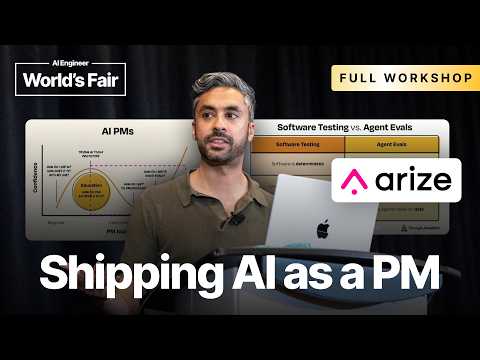
The Macro Shift: From Model-Centric to Eval-Centric. The value is moving from the LLM itself to the proprietary evaluation loops that keep the LLM on the rails.
The Tactical Edge: Export production traces and build a "Golden Set" of 50 hard examples. Use these to run A/B tests on every prompt change before hitting production.
The Bottom Line: Reliability is the product. If you cannot measure how your agent fails, you haven't built a product; you've built a demo.
The transition from chatbots with tools to agents that build tools marks the end of the manual integration era.
Stop building custom model scaffolding and start building on top of opinionated agent layers like the Codex SDK.
In 12 months, the distinction between a coding agent and a general computer user will vanish as the terminal becomes the primary interface for all digital labor.
The Capability-Utility Gap is widening. We see a divergence where models get smarter but the friction of human-AI collaboration keeps productivity flat.
Deploy AI for mid-level engineers or low-context tasks. Avoid forcing AI workflows on your top seniors working in complex legacy systems.
The next year will focus on reliability over raw intelligence. The winners will have models that require the least amount of human babysitting.
1. The potential establishment of a U.S. Strategic Bitcoin Reserve could signal a significant shift in government policy towards crypto, with implications for market stability and regulatory clarity.
2. Transparency and ethical practices in crypto are under scrutiny, with calls for standardized disclosures to prevent market manipulation and build trust.
3. The Ethereum Foundation's restructuring efforts highlight the challenges of maintaining core values while addressing operational inefficiencies.
1. Trump's crypto reserve announcement highlights the potential for political influence in crypto markets, but practical implementation remains uncertain.
2. The reintroduction of tariffs under Trump is causing market volatility and raising concerns about economic growth and international relations.
3. Ethereum faces pressure to scale its layer one to remain competitive, with leadership changes and new technologies offering potential paths forward.