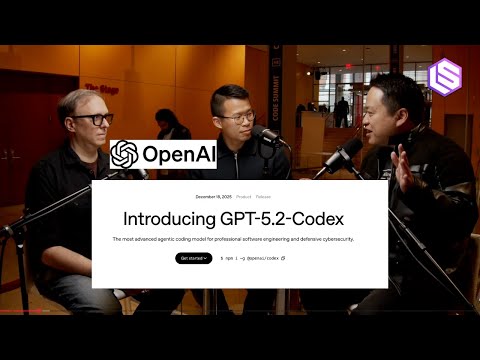
The Macro Shift: Agentic Abstraction. We are moving from Model-as-a-Service to Agent-as-a-Service where the harness is as important as the weights.
The Tactical Edge: Standardize your CLI. Use tools like ripgrep (RG) that models already have "habits" for to see immediate performance gains.
The Bottom Line: The next 12 months will see the end of manual integration engineering as agents become capable of navigating UIs and legacy terminals autonomously.
The commoditization of syntax means architectural judgment is the only remaining moat. As the cost of code hits zero the value of intent skyrockets.
Replace your manual refactoring workflows with a burn and rebuild strategy. Use agents to generate entirely new modules instead of patching old ones.
Seniority is no longer a shield against obsolescence. You must spend the next six months building your agentic intuition or risk being replaced by a PhD student with a prompt.
The Macro Evolution: Standardized communication layers are replacing custom API integrations. This commoditizes the connector market and moves value to the models that best utilize these tools.
The Tactical Edge: Standardize your internal data tools using MCP servers today. This ensures your company is ready for autonomous agents that can discover and use your resources without manual API integration.
The Bottom Line: The agentic stack is consolidating around MCP. Interoperability is no longer a feature; it is the foundation for the next decade of AI utility.
The Macro Shift: From Model-Centric to Eval-Centric. The value is moving from the LLM itself to the proprietary evaluation loops that keep the LLM on the rails.
The Tactical Edge: Export production traces and build a "Golden Set" of 50 hard examples. Use these to run A/B tests on every prompt change before hitting production.
The Bottom Line: Reliability is the product. If you cannot measure how your agent fails, you haven't built a product; you've built a demo.
The transition from chatbots with tools to agents that build tools marks the end of the manual integration era.
Stop building custom model scaffolding and start building on top of opinionated agent layers like the Codex SDK.
In 12 months, the distinction between a coding agent and a general computer user will vanish as the terminal becomes the primary interface for all digital labor.
The Capability-Utility Gap is widening. We see a divergence where models get smarter but the friction of human-AI collaboration keeps productivity flat.
Deploy AI for mid-level engineers or low-context tasks. Avoid forcing AI workflows on your top seniors working in complex legacy systems.
The next year will focus on reliability over raw intelligence. The winners will have models that require the least amount of human babysitting.
1. Despite short-term market volatility influenced by factors like tariff discussions, the underlying economy appears healthy, presenting a potentially bullish outlook for Bitcoin.
2. RWA and Trafi represent significant growth areas in crypto, but the rationale behind permissioned blockchains needs further examination.
3. AI continues to rapidly evolve, with vibe coding and localized LLMs poised to democratize app development and enhance user experiences.
1. While the current landscape for meme coins and certain trading strategies seems saturated, innovation and new implementations will drive the next wave of opportunities.
2. Macroeconomic forces, particularly institutional deleveraging, are significant drivers of recent market fluctuations, but long-term fundamentals remain strong for Bitcoin and select altcoins like Solana.
3. The convergence of AI and crypto holds immense potential, with orchestration playing a key role in unlocking value and efficiency across various applications.
1. ZK technology is essential for scaling verifiability and enabling privacy, which are critical for broader blockchain adoption.
2. The zkSync and EigenLayer partnership creates a synergistic combination of cryptographic and cryptoeconomic security, strengthening the ecosystem and ensuring greater resilience.
3. The implementation of EigenLayer's novel slashing mechanism enhances the security and trustworthiness of decentralized services, paving the way for a more robust and reliable decentralized future.